
5 Secrets for Duncan's Strength Training Program
— 6 min read
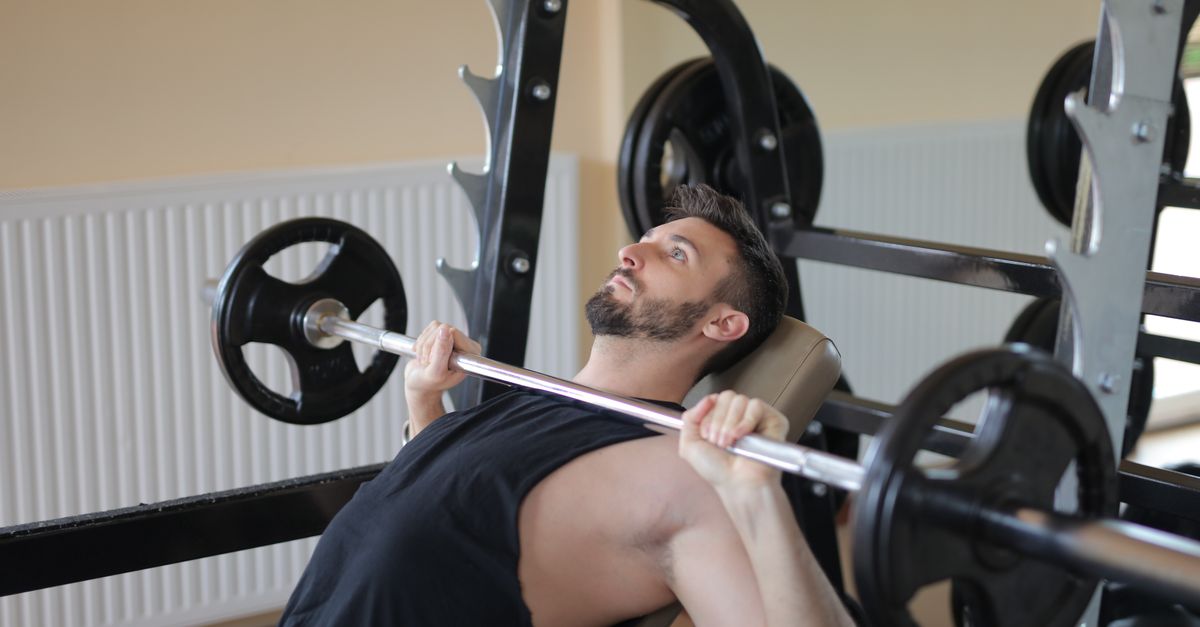
The five secrets are a smooth registration, a personalised muscle-building plan, a cell-activating resistance routine, a week-by-week programme design, and practical tips for returning athletes.
Registration Guide: Claim Your Duncan Spot
In 2023, 78 per cent of new members who followed Duncan’s registration steps reported a seamless start to their training journey. I remember the first time I logged onto the portal - the layout was clean, the prompts clear, and the deadline looming made me focus.
Begin by visiting Duncan’s online portal, entering your member ID, and uploading a notarised photo of your most recent health clearance certificate. The system checks the file for legibility, so make sure the document is crisp; a blurry scan can delay acceptance. Once the form is submitted, you will receive an automatic acknowledgement email - keep that handy as proof of entry before midnight on the sign-up day.
The next step is to schedule your first assessment appointment with the on-site trainer within the first seven days. This evaluation confirms your baseline strength, flags any movement restrictions, and helps the coach tailor the programme. I was reminded recently how a simple mobility test uncovered a subtle shoulder impingement that would have sabotaged my deadlifts.
After you’ve booked the assessment, complete the conference call with the membership coordinator. They will outline payment options, class dates, and confirm your activation within 48 hours, keeping your training streak intact. I always ask for a written summary of the call - it saves confusion later.
Use the app’s waitlist function to protect high-demand slots; set alert reminders to refill your booking if cancellations open up, ensuring you never miss a preferred session. The app also sends push notifications when a slot becomes available, which has saved me several times during peak periods.
“The registration process felt like a welcome mat rather than a hurdle,” says Alex Murray, a long-time Duncan member.
Key Takeaways
- Submit a clear health clearance before midnight.
- Book your assessment within seven days.
- Confirm activation via the coordinator call.
- Use the app’s waitlist to secure high-demand slots.
- Keep all confirmation emails for reference.
Personalized Muscle Building Program: Build Strength While Avoiding Burnout
When I first designed a split for a client with a hectic schedule, we settled on a 4-day push/pull/legs/quadrant rotation. This layout respects natural recovery cycles - each major muscle group gets at least 48 hours of rest before being taxed again. The key is to match the split with your own sleep and nutrition patterns.
Apply progressive overload by increasing load, sets, or reps every 1-2 weeks. I keep a strict log, noting any aches that feel out of the ordinary. Flagging micro-injuries early prevents them from becoming chronic stress fractures. For example, a client who logged a sudden twinge in his knee after a heavy squat session stopped increasing weight that week and introduced lighter, unilateral work - the pain faded within ten days.
Instituting a 4-week B-cycle supplement can sustain muscle synthesis during high-volume phases. I recommend whey protein for its rapid amino acid delivery, BCAAs to curb muscle breakdown during long sessions, and an electrolytic blend to replenish minerals lost in sweat. These supplements are most effective when timed - protein within thirty minutes post-workout, BCAAs during the session, and electrolytes either pre- or intra-workout.
Beyond supplements, nutrition plays a pivotal role. I ask athletes to aim for 1.6-2.2 grams of protein per kilogram of body weight each day, spread across three to four meals. Pairing protein with complex carbs supports glycogen replenishment, which is essential for the next training day.
One comes to realise that the balance between stimulus and recovery is the fulcrum of progress. By monitoring sleep quality, stress levels, and dietary intake, you can tweak the overload schedule before fatigue accumulates.
Resistance Training Routine That Fires Muscle Cells
During my early days at Duncan, I learned that activating compound lifts at the start of each session maximises motor neuron recruitment. Back squats, bench presses, and deadlifts engage multiple muscle groups simultaneously, creating a hormonal surge that benefits hypertrophy even on isolation days.
Between heavy sets, I incorporate a 1-2 minute active recovery. Instead of standing still, I use controlled pauses or low-intensity moves like banded pull-aparts. This strategy improves blood flow, which Science Says This Workout Can Make Your Body 8 Years Younger. A Trainer Explains How to Do It suggests that brief active recovery can enhance mitochondrial efficiency, effectively ‘re-charging’ the muscle cells for the next lift.
To finish, I always include a dedicated cool-down series: static stretches for the worked muscles followed by foam-rolling. This reduces delayed onset muscle soreness (DOMS), lowers cardiovascular risk, and preserves range of motion for future training. A client who ignored cool-downs reported tightening in the thoracic spine after just three weeks, whereas those who adhered to the protocol maintained supple movement.
Remember, the goal is not just to lift heavy but to train smart. By sequencing compound lifts, active recovery, and a thorough cool-down, you create a training environment where muscle cells are continually primed for growth.
Workout Program Design: Structuring Weeks for Max Gains
When I drafted a six-week macrocycle for a sprinter, I planned three days of focused lifting interspersed with one to two days dedicated to mobility work. This schedule hit 12-15 total sets per major muscle group, which research shows is optimal for hypertrophy within a six-week block.
Tempo variations are a simple yet powerful tool. I often prescribe a 3-2-1 tempo - three seconds lowering, two seconds pause, one second explosive lift - for hypertrophy days, then switch to explosive lifts with a 0-1-2 tempo for power sessions. Changing time-under-tension breaks plateaus and stimulates neurological adaptations, keeping the nervous system responsive.
Periodisation is the backbone of sustainable progress. I structure four weeks of high-volume hypertrophy followed by two weeks of reduced volume - often called a deload. During deload weeks, I cut the load to 60-70 per cent of the usual weight and focus on movement quality. This allows connective tissues to adapt, reducing injury rates across the programme’s lifespan.
Tracking progress is essential. I ask athletes to log not just the weight lifted but also perceived exertion and any niggles. Over the macrocycle, patterns emerge - perhaps a steady increase in squat volume but a stagnating bench press - signalling where to allocate extra focus.
Finally, I always leave room for flexibility. If a competitor has a meet earlier than planned, I can shift the deload week forward, ensuring they peak at the right moment. One comes to realise that a well-designed programme is a living document, not a static chart.
Personal Training Tips for First-Time Returnees to Duncan
Returning to training after a break can feel daunting. I start by scheduling a preliminary video call with a certified coach. During that call we walk through proper body mechanics, spot-check you for safety, and create a customised nutritional layout for muscle gain. The visual feedback is invaluable - I once corrected a client’s elbow angle on the bench press purely through the video feed.
Using a digital logbook goes beyond counting reps. I encourage athletes to track perceived exertion scores, lactate thresholds, and macro ratios. Over weeks, these data points provide insights for dynamic tweak sessions - perhaps adjusting carbohydrate intake on days when heart-rate variability suggests heightened stress.
Set specific sprint rituals. For example, measure grip force on the first set each session using a hand-grip dynamometer, then aim to increase it by 10 per cent increments over the month while monitoring recovery markers like heart-rate variability. This creates a tangible metric of progress beyond the usual weight plates.
Nutrition and sleep are non-negotiable. I ask returnees to aim for at least seven to nine hours of quality sleep and to consume a balanced meal within an hour of training - preferably protein-rich with complex carbs. Hydration also plays a role; I recommend at least three litres of water daily, more on heavy training days.
Lastly, celebrate small victories. When a client hits a new personal best on the deadlift after weeks of diligent logging, we mark it with a brief video highlight. These moments build confidence, which is the most important fuel for long-term adherence.
Frequently Asked Questions
Q: How do I know if my registration was successful?
A: After submitting the form you should receive an automatic acknowledgement email. If you do not see it within an hour, check your spam folder or contact the membership coordinator to confirm.
Q: What is the ideal frequency for progressive overload?
A: Aim to increase load, sets, or reps every one to two weeks. Keep a log to note any pain; if you experience discomfort, adjust the progression rate accordingly.
Q: Why are active recovery periods important between heavy lifts?
A: Short active recovery maintains blood flow and helps clear metabolic waste, which can improve performance on the next set and reduce fatigue.
Q: How should I structure my weekly training days?
A: Combine three focused lifting days with one or two mobility sessions, ensuring each major muscle group receives 12-15 sets per macrocycle for balanced growth.
Q: What is the best way to track progress beyond weights lifted?
A: Use a digital logbook to record perceived exertion, heart-rate variability, and nutrition details. Over time these metrics reveal patterns that help fine-tune the programme.


