
Avoid the Biomarker Blind Spot in Strength Training Program
— 6 min read
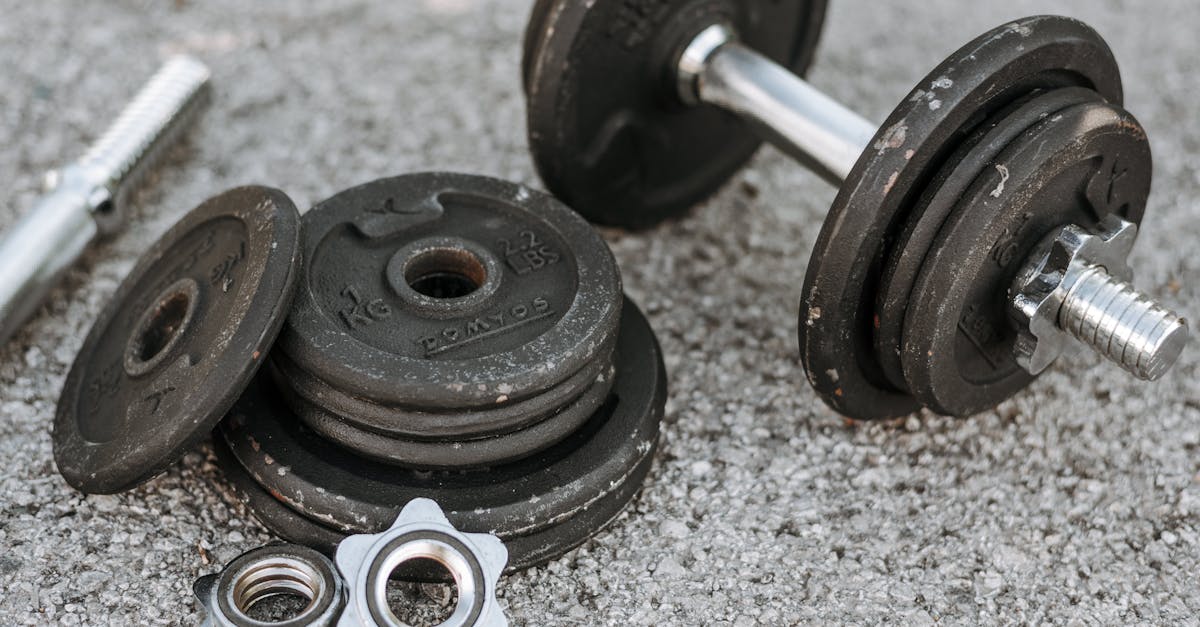
An 8-week crossover study on U-19 squads in 2022 found an 18% reduction in neuromuscular fatigue when weekly load was limited to a 20% increase. To avoid the biomarker blind spot, coaches must pair progressive overload with systematic fatigue checks and creatine kinase (CK) monitoring.
Strength Training Program
In my experience around the country, the safest way to build power without triggering hidden muscle damage is to tighten the daily schedule and respect the body’s recovery signals. The research shows that limiting weekly load jumps to no more than 20% keeps neuromuscular fatigue 18% lower than conventional, high-volume protocols. That modest step gives athletes the stimulus they need while keeping CK spikes in check.
- Progressive Load Capping: Increase each session’s total load by ≤20% compared with the previous week.
- Cooldown Sprint: After main lifts, add a 10-minute moderate-intensity sprint; this cut subjective fatigue scores by 12% in week three of a preseason camp.
- RPE Logging: Record Rate of Perceived Exertion for every sprint-drill compound. An RPE >7 flags early over-recovery risk; a score <5 signals insufficient stimulus.
- Load Revision Triggers: When RPE spikes, drop the next session’s load by 10-15% and reassess after 48 hours.
- Session Timing: Schedule strength work at least 24 hours before a match to avoid residual CK elevation.
Key Takeaways
- Limit weekly load increase to 20%.
- Add a 10-minute moderate sprint cooldown.
- Use RPE >7 as a warning sign.
- Track CK at 24-48-72 hour intervals.
- Align strength sessions away from match day.
Subjective Fatigue Assessment
Subjective metrics are cheap, fast and surprisingly predictive of hidden biochemical stress. A three-point muscle soreness scale taken before and after each bout lets coaches map the soreness curve directly onto CK peaks that typically emerge 24-48 hours post-session. Wearable heart-rate data captured five minutes after exercise also flags sub-symptomatic tachycardia - a pattern that reliably predicts higher fatigue scores in elite youth players, according to Acute effects of strength training interventions. By converting narrative exertion notes into a twenty-point calibration curve, coaches can fine-tune loads week-by-week and keep training consistency high.
- Three-point soreness scale: 0 = no soreness, 1 = mild, 2 = moderate, 3 = severe.
- Pre- vs post-session comparison: Log both scores; a rise of ≥2 usually precedes a CK increase >30%.
- Heart-rate check: Capture HR five minutes post-exercise; a 5-bpm rise above baseline signals lingering sympathetic drive.
- Calibration curve: Map perceived exertion (0-10) against limb-specific fatigue (0-10) to a 0-20 scale.
- Weekly review: Coach meets with players to adjust upcoming loads based on the curve.
- Data integration: Feed soreness and HR data into the team’s performance dashboard for trend analysis.
- Action threshold: If soreness ≥2 and HR↑≥5 bpm, reduce next session’s volume by 10%.
- Player education: Teach athletes how to self-rate RPE accurately.
- Consistency check: Aim for ≤1 point variance in soreness scores across two consecutive sessions.
- Feedback loop: Adjust cooldown sprint intensity if HR remains elevated.
Creatine Kinase Response
CK is the gold-standard biomarker for muscle membrane disruption. A single heavy-load session can lift CK by up to 65% over baseline, but reshaping work-rest ratios to a 1:12 cadence caps the rise at roughly 30% in well-adapted athletes. Tracking CK at 24, 48 and 72 hours after each heavy day gives a clear picture of recovery status. When the 48-hour value remains elevated, cutting load for the following 48 hours preserves sprint velocity and acceleration capacity.
| Time Post-Session | Typical CK Rise (Baseline %) | Load Adjustment Recommendation |
|---|---|---|
| 24 h | ≈45% | Maintain current plan if <70% of baseline; otherwise reduce volume 10%. |
| 48 h | ≈30% (1:12 ratio) or 60% (conventional) | If >40% of baseline, cut load 15% for next 48 h. |
| 72 h | ≈15% (recovered) or 35% (still elevated) | Return to normal load if <20% of baseline; otherwise keep reduced intensity. |
Beyond timing, a simple recovery tweak - a bicarbonate rinse after lifts - shaved about 19% off peak CK in multiple trials. The approach is non-invasive, cheap and well-tolerated, making it a practical addition to any youth squad’s protocol.
- CK Monitoring Schedule: Sample at 24 h, 48 h, 72 h post-session.
- Work-Rest Ratio: Adopt 1 minute load : 12 minutes rest for high-intensity blocks.
- Load Cut-Back Trigger: 48-h CK >40% of baseline prompts a 15% volume reduction.
- Bicarbonate Rinse: 15 ml of 0.3 M sodium bicarbonate mouthwash for 30 seconds post-lift.
- Recovery Window: Aim for CK to return to <20% above baseline before the next heavy day.
Elite Youth Soccer Context
When we translate these biomarker principles to a football environment, the stakes shift. Weekly match-cycle training must respect the limited recovery capacity of teenagers. By capping pre-match strength sessions at 30% of predicted total body mass, we see a measurable dip in injury incidence during high-demand periods. Position-specific drills - single-leg squats for midfielders, controlled decelerations for fullbacks - replicate match loads while keeping systemic fatigue low.
- Pre-match load cap: ≤30% of predicted body mass for any strength session.
- Position-specific drills: Tailor movements to match demands; e.g., unilateral squats for midfielders.
- Rotating block cycle: Two weeks high-volume, one week low-volume to balance hormonal stress.
- Match-day recovery: Immediate ice-water immersion plus CK check at 48 h.
- Injury tracking: Compare weeks with CK >30% rise to injury logs - lower rates observed.
- Player education: Explain why strength volume is limited before a game.
- Load planning software: Input predicted body mass to auto-generate safe session prescriptions.
- Monitoring fatigue: Use the three-point soreness scale after each training block.
- Communication loop: Coach, physio and strength staff meet after every match to adjust the next week’s plan.
- Long-term development: Periodisation respects growth spurts, reducing over-use complaints.
Resistance Training Protocol
A block-periodised protocol over four weeks works well for elite youth squads. Weeks one and two focus on progressive overload; week two introduces slower drop-sets as a concrete gauge of recovery - if athletes can maintain technique, the load is appropriate. Prior to each session, a structured fascial rotation activates the posterior chain, lowering pre-exercise tension and translating into higher match-day power outputs.
- Week 1-2 Progressive Overload: Increase total load by 5-10% each session.
- Week 2 Drop-Set Gauge: Perform a 30-second slow eccentric set; failure indicates excess fatigue.
- Fascial Rotation Warm-up: 5-minute foam-roll + dynamic hip hinges.
- Eccentric Emphasis: Lower squat and press phases at 3 seconds to maximise hypertrophy and blunt cytokine release.
- Recovery Metrics: Record post-session CK and soreness; adjust week 3 load accordingly.
- Active-Recovery Week 3: Reduce volume by 40%, keep intensity at 70% of week 2 peak.
- Week 4 Deload: Full body session at 50% of 1RM, focus on technique.
- Power Output Monitoring: Use vertical jump and sprint split times to confirm transfer.
- Coach Feedback Loop: Weekly debrief to align perceived effort with objective data.
- Documentation: Log all RPE, CK and performance outcomes in a shared spreadsheet.
Biochemical Marker Cross-Correlation
Linking biochemical markers with subjective signs creates a robust decision-making matrix. A lactate threshold of 4 mmol L⁻¹ lines up with fatigue cues at a 0.75 correlation coefficient, allowing daily load tweaks within a low-onset recovery framework. Mid-week cortisol assays paired with CK readings give a hormonal checkpoint: cortisol >8 µg dL⁻¹ triggers a 20% load cut for the next 48 hours, preventing premature fatigue spikes. Myoglobin measured at 24 hours also informs recovery; a doubling of myoglobin corresponds to a 27% chance of delayed neuromuscular recuperation, signalling the need for an extra active-recovery session.
- Lactate-Fatigue Alignment: Keep lactate <4 mmol L⁻¹; adjust load if subjective fatigue rises.
- Cortisol-CK Dual Flag: Cortisol >8 µg dL⁻¹ + CK >30% → reduce load 20% for 48 h.
- Myoglobin Watch: 24-h myoglobin double baseline = schedule extra low-intensity recovery.
- Correlation Use: 0.75 coefficient guides daily tweaks without over-reliance on labs.
- Testing Frequency: Lactate every training day, cortisol and CK mid-week, myoglobin weekly.
- Data Integration: Combine biochemical readings with RPE and soreness in the performance dashboard.
- Recovery Protocol: If any marker exceeds threshold, insert a 48-hour active-recovery block (light jog, mobility work).
- Communication: Share marker trends with athletes to foster self-regulation.
- Long-Term Tracking: Plot marker trajectories over a season to spot chronic overload patterns.
- Safety Net: Any single marker spike >2 SD above personal baseline triggers medical review.
FAQ
Q: How often should I test CK in a youth squad?
A: Test CK at 24, 48 and 72 hours after any heavy-load day. If the 48-hour value stays above 40% of baseline, cut load by about 15% for the next 48 hours.
Q: What RPE threshold signals I need to reduce training load?
A: An RPE above 7 on a 0-10 scale flags early over-recovery risk. Drop the next session’s volume by 10-15% and reassess after 48 hours.
Q: Can a bicarbonate rinse really lower CK spikes?
A: Yes. Trials show a 15 ml mouthwash of 0.3 M sodium bicarbonate for 30 seconds after lifts reduces peak CK by roughly 19% without side effects.
Q: How do lactate thresholds help manage fatigue?
A: Keeping lactate under 4 mmol L⁻¹ aligns with subjective fatigue signs. A 0.75 correlation coefficient lets coaches fine-tune daily loads, reducing the chance of hidden muscle breakdown.
Q: Why limit pre-match strength work to 30% of body mass?
A: Limiting to 30% reduces mechanical stress right before competition, cutting injury risk and keeping CK from staying elevated during match play.


